Previous projects
One of my defining characteristics has always been that I like to explore as wide as possible. I have many different interests, and I am interested to see how these all fit together, rather than focussing on a single subject. You can see this in the way I have chosen my projects as well. On the one hand this is a strength, since it helps me understand many different subjects, and give me novel idea's on how these area's might interplay. on the other hand it is also a limiting factor in how deeply you can understand any one subject. Below I have highlighted a few of those projects, giving some context about the projects that have helped shape they way I now look at a design process.
Business and entrepeneurship
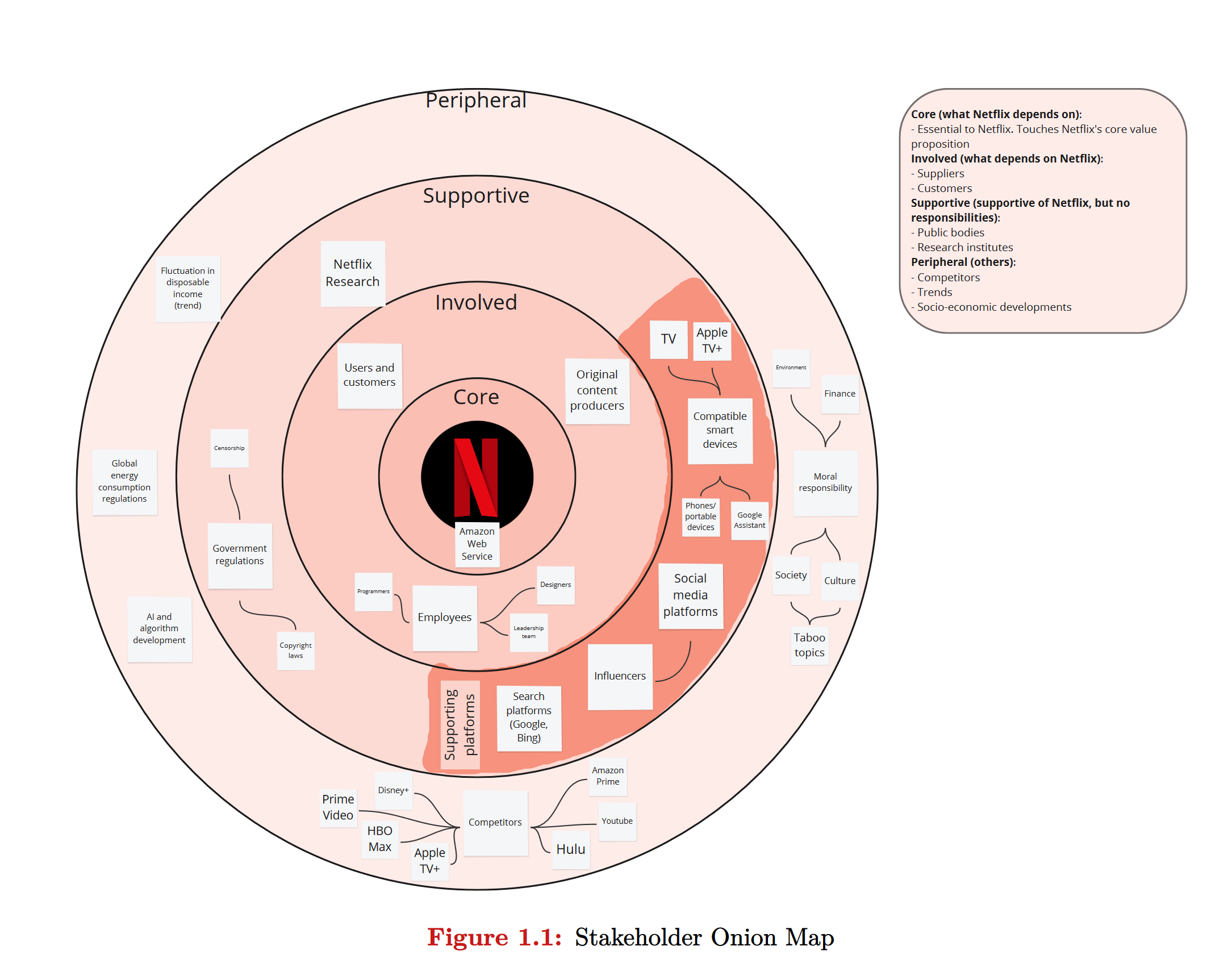
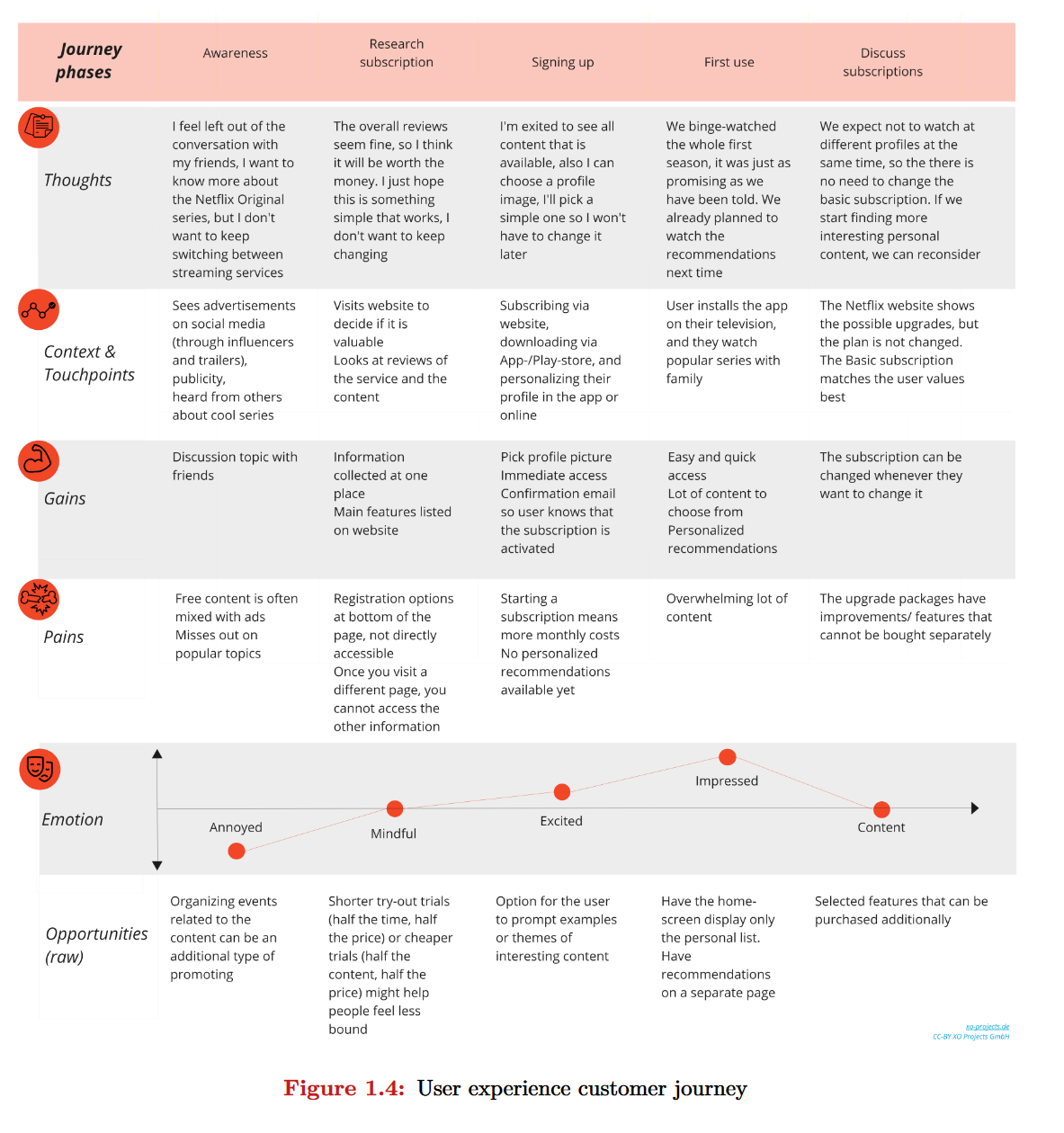
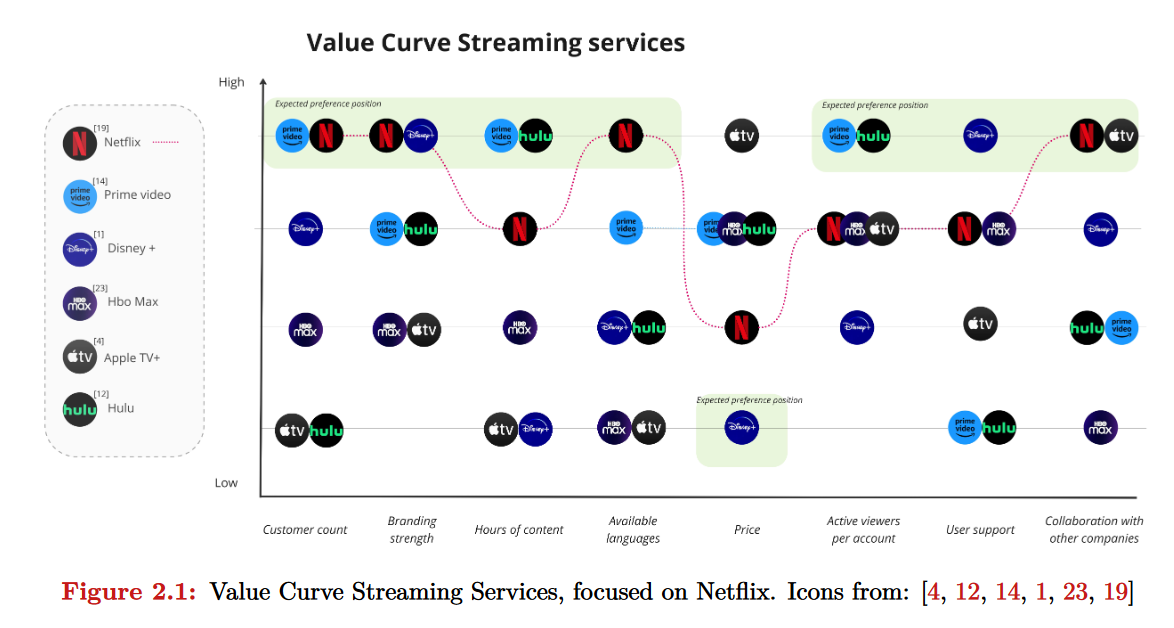
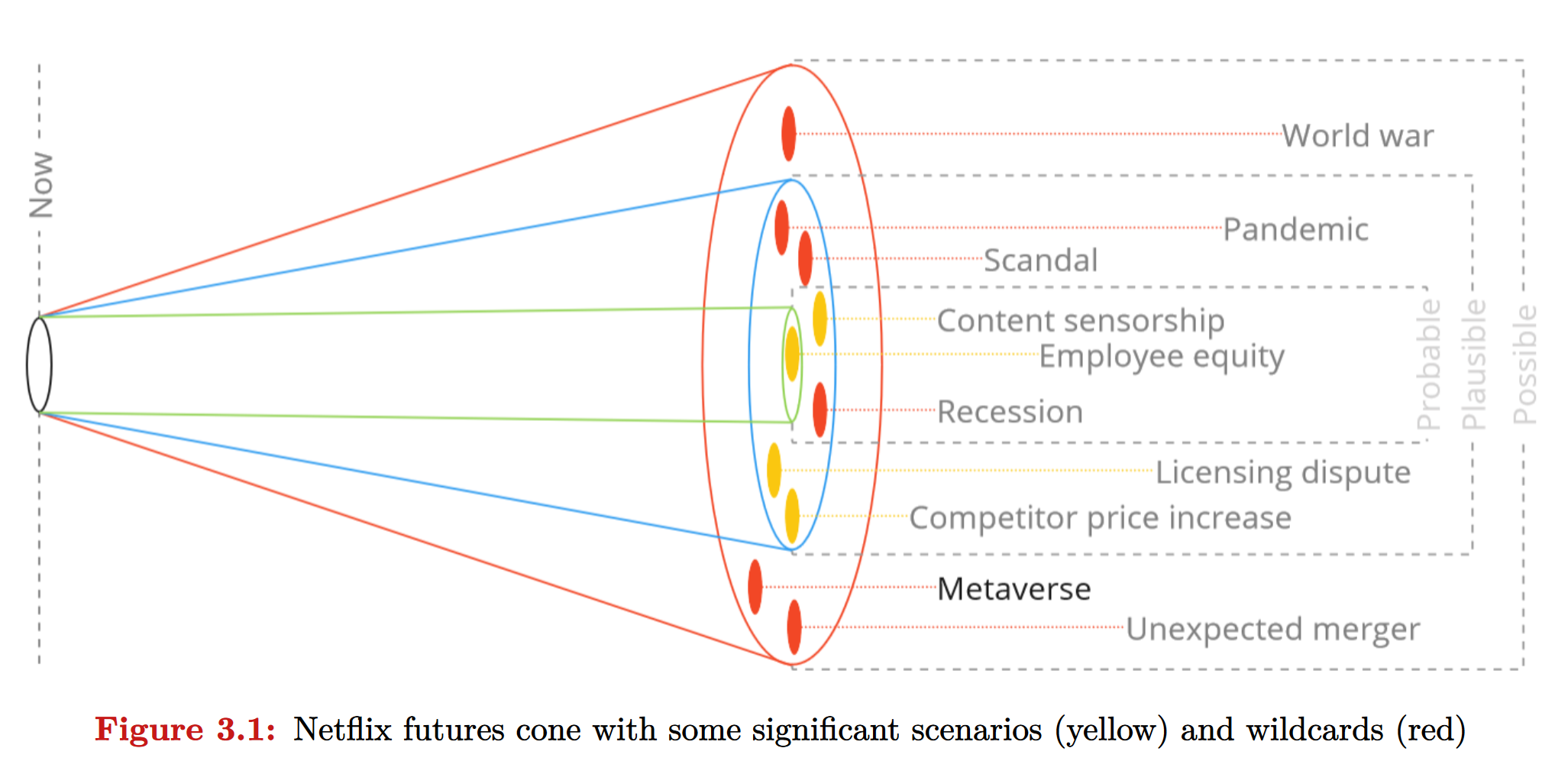
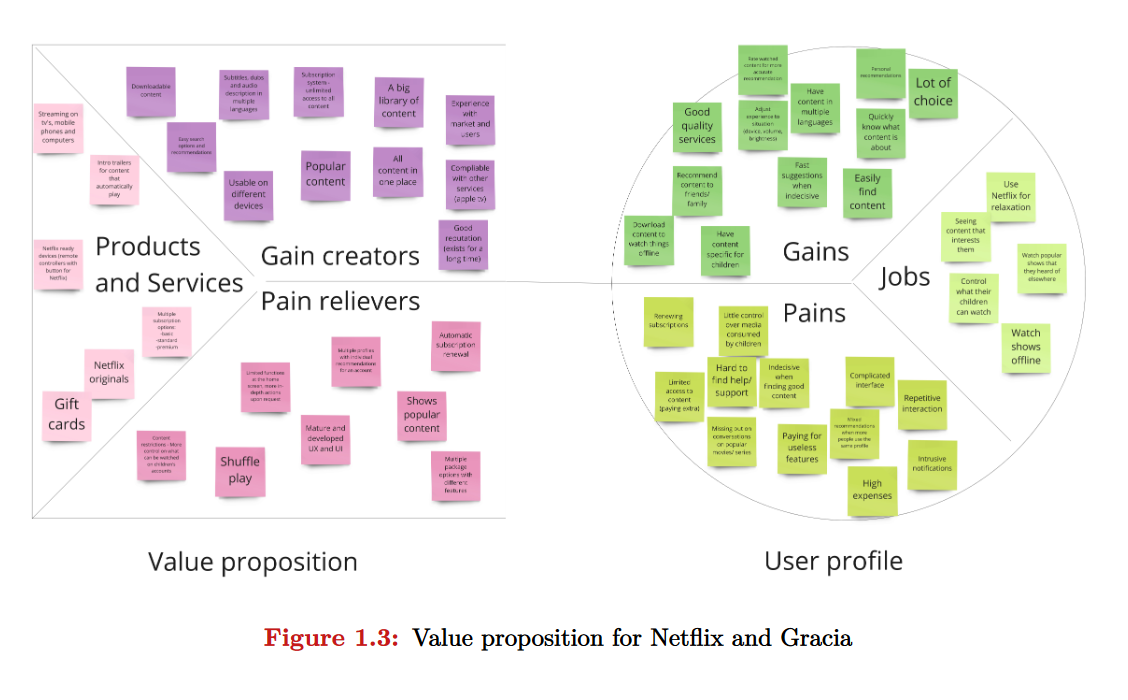
One of the aspects of designing a product or service, is understanding its position within an existing market. There are several tools that are useful for this process, most notable of which is the business model canvas, which is a tool that provides a good overview of how the different stakeholders of your project interact with your service or product. Other interesting tools from the course "design innovation methods" are for example the stakeholder onion map, user experience journey and the value curve shown below.
Implementation in projects
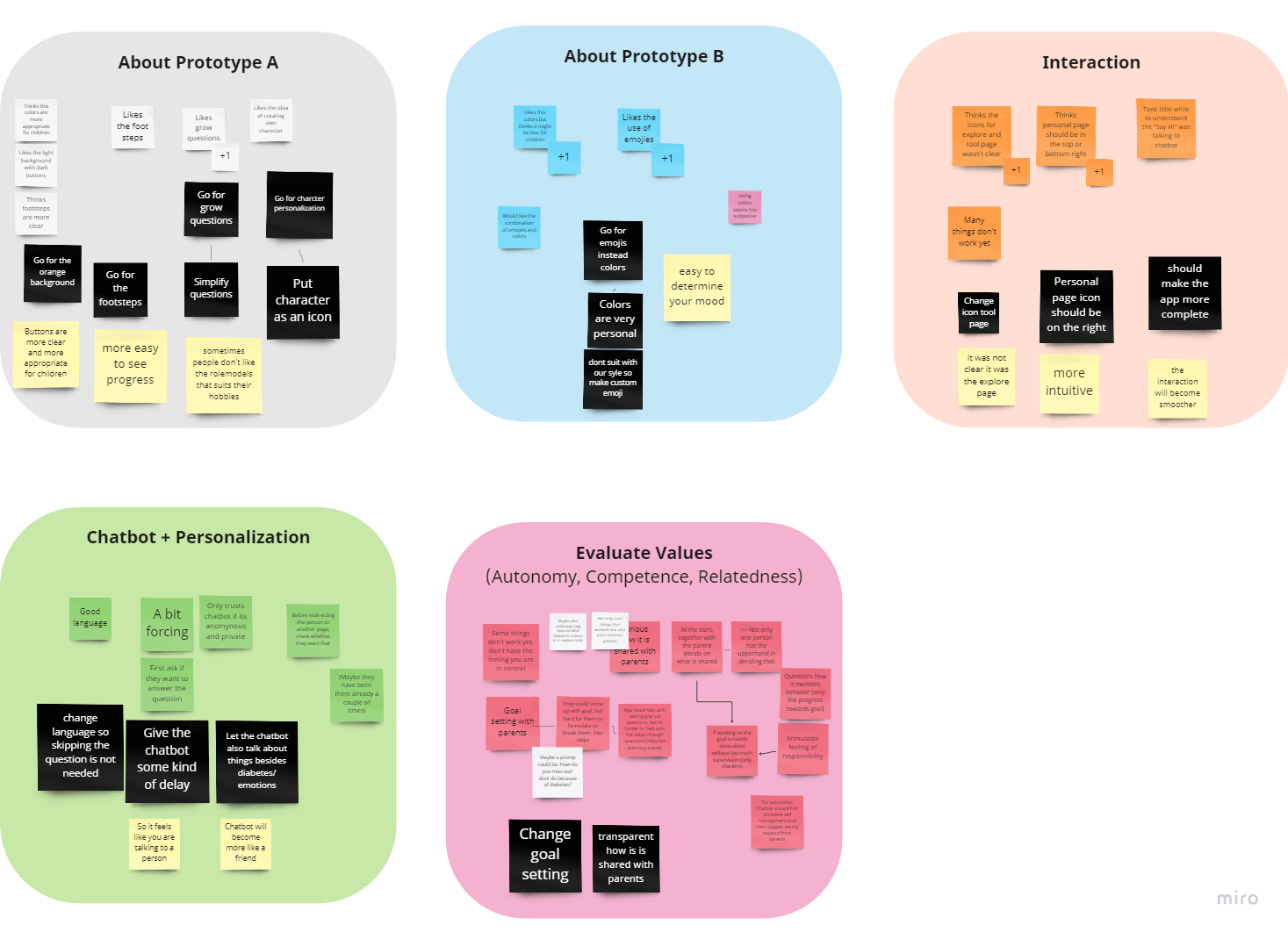
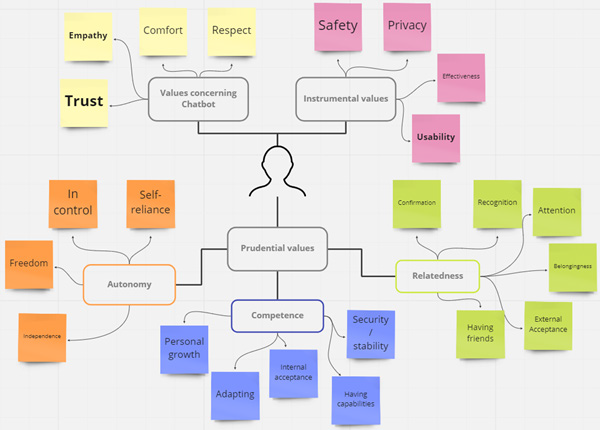
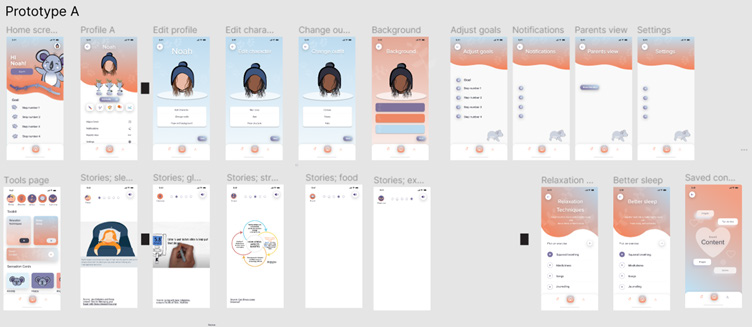
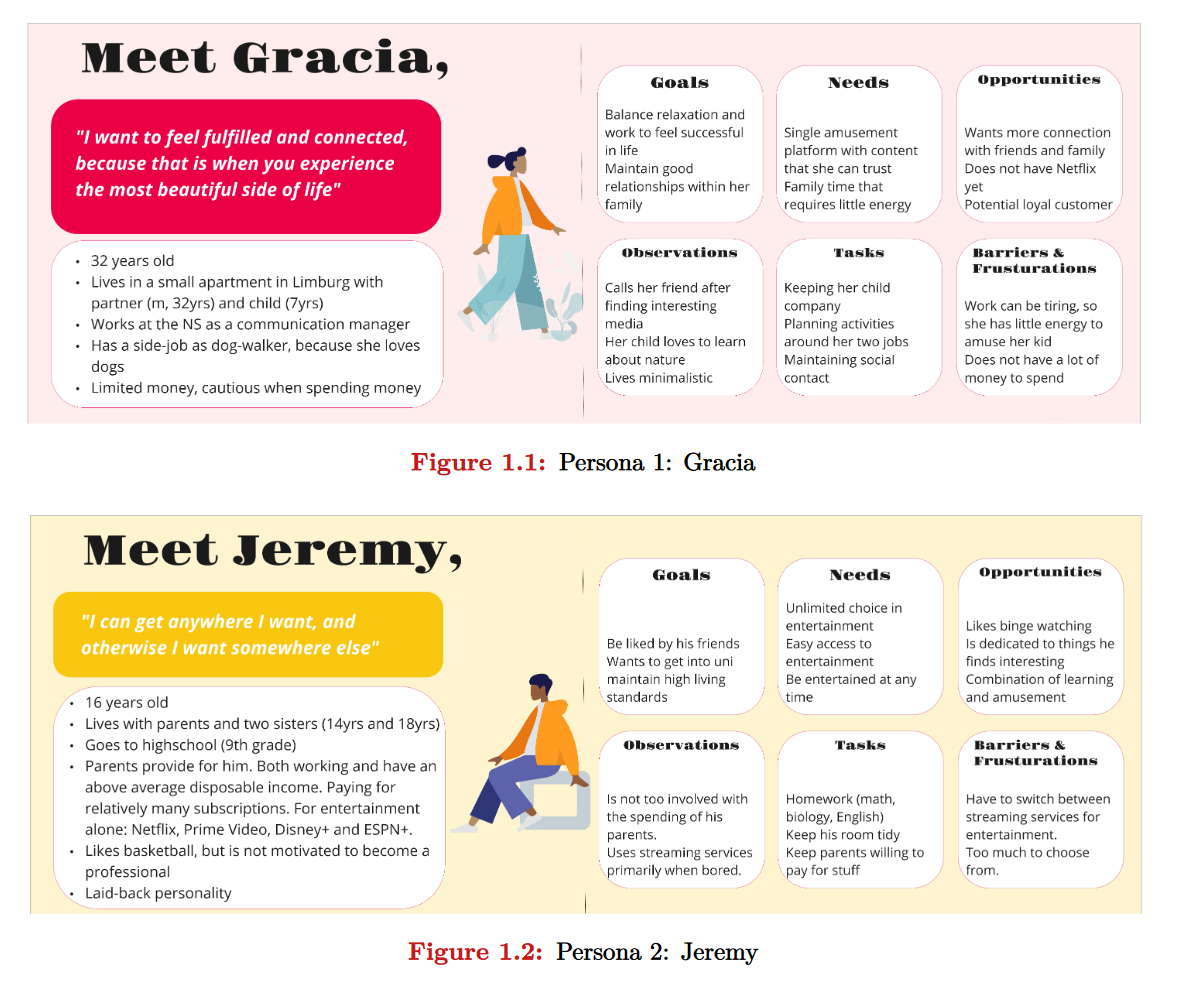
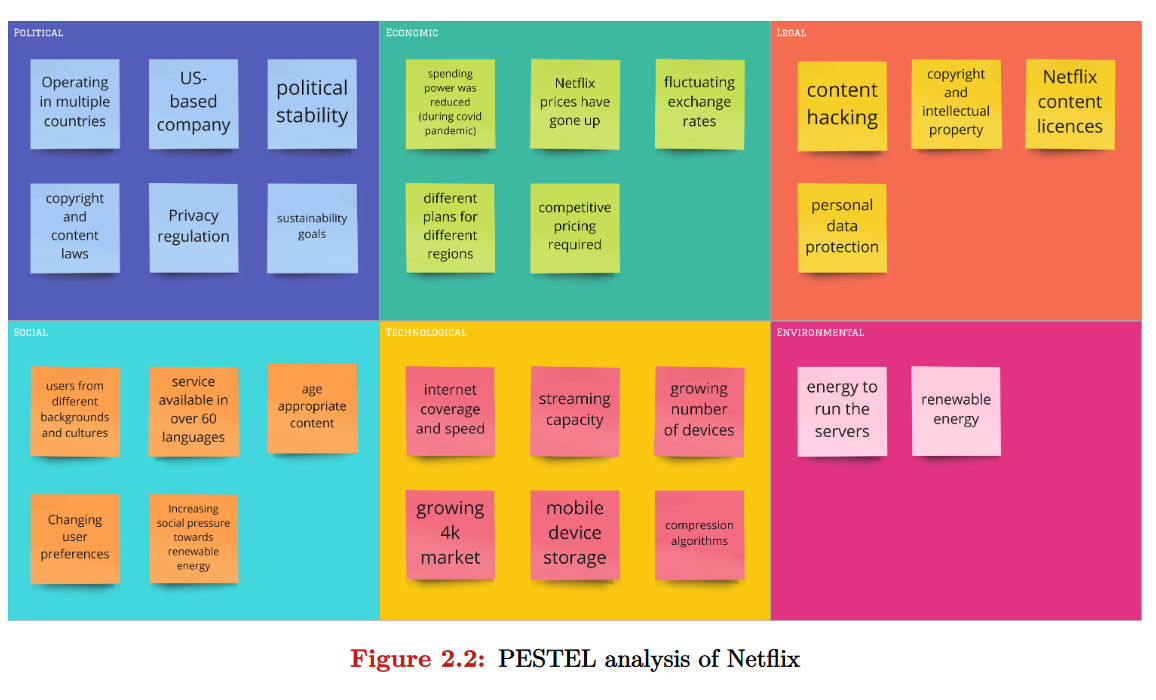
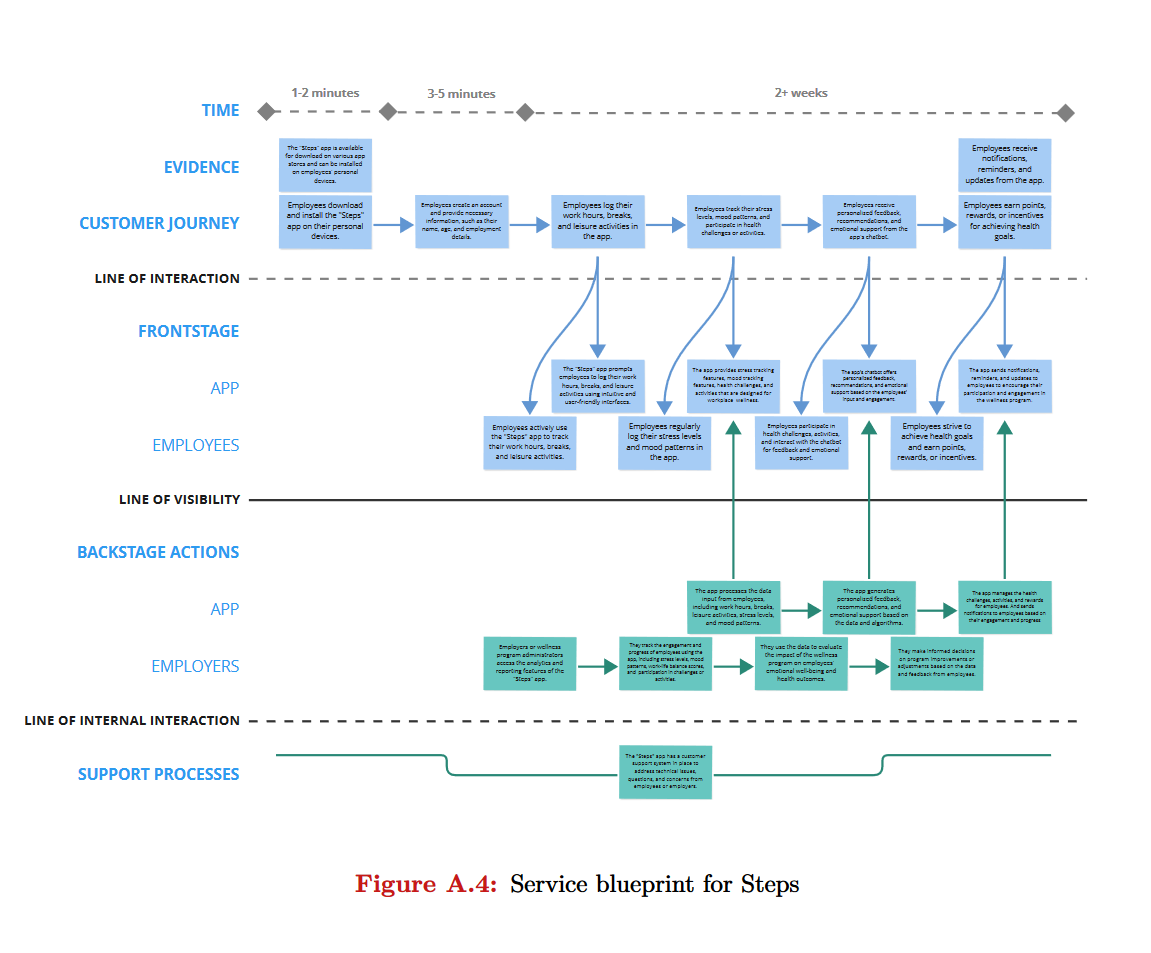
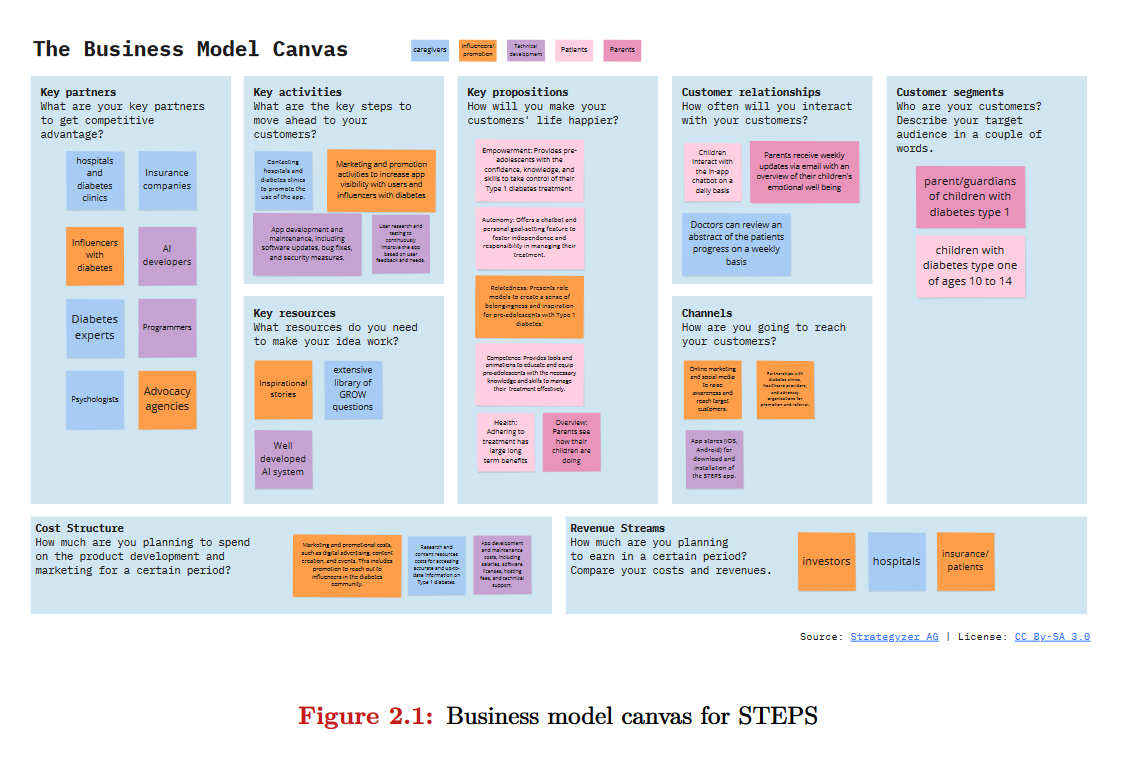
Of course, this business aspect also returns in most projects. For example the tools below were applied to my project 2, where I worked on a personalised chatbot for children with diabetes. These canvasses helped us find how our chatbot was positioned with respect to other similar apps. Sadly I was unable to find the similar explorations from my project 3.
Creativity and aesthetics
From Idea to Design
My first project at industrial design was this one, where we were tasked to make a game. I mainly focussed on making the visuals and physical attributes for this project, as well as making the video's. This last skill I was able to use in most of my later projects as well. Of course my making skills have improved throughout the bachelor. Especially with my focus later on delivering a more pleasent end product, the level of finishing that I am now able to do is much higher, which is clear when you take a look at for example the "automatic plant dome," which was one of my earlier projects, and compare it with for example the final product of "take a breath."
Aesthetics of Interaction
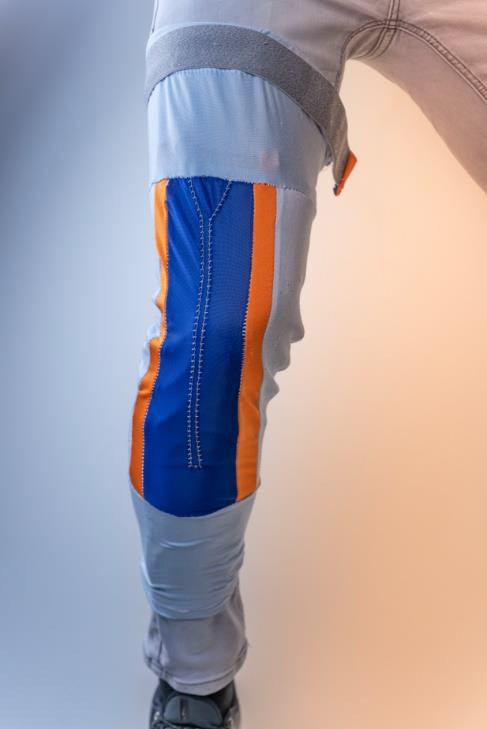
was where I first started to appreciate the experience of a thing over its function, which has been one of the more important points I try to incorporate in my design. Choosing Juiciness as a subject for project 3 has been a continuation of this interest. Within both the course aesthetics of interaction and project 3 I began to develop a personal vision on what makes an interaction nice. In general my understanding of what aesthetics means within design has evolved from "it looks or feels nice," to "creating an emcompassing experience." The difference can be seen between my project 1 design, and the results of AoI and project 3.
Design for Debate
During this course I was challenged to look more at design that is not solely focusses on the human aspect. In the end I made a video of a performance that shows us how we leave all kinds of traces in the online world that we are not aware of. This unawareness of how the world works right now was very striking to me, and the way we were able to make a abstract visual representation of that was very enticing to me.
looking back it is clear that the projects I did after this are quite heavily influenced by this realisation that designs we make kan help influence people to consider the world they live in more carefully. Obviously this is not an element that is limited to Creativity and aesthetics.
math, data and computing
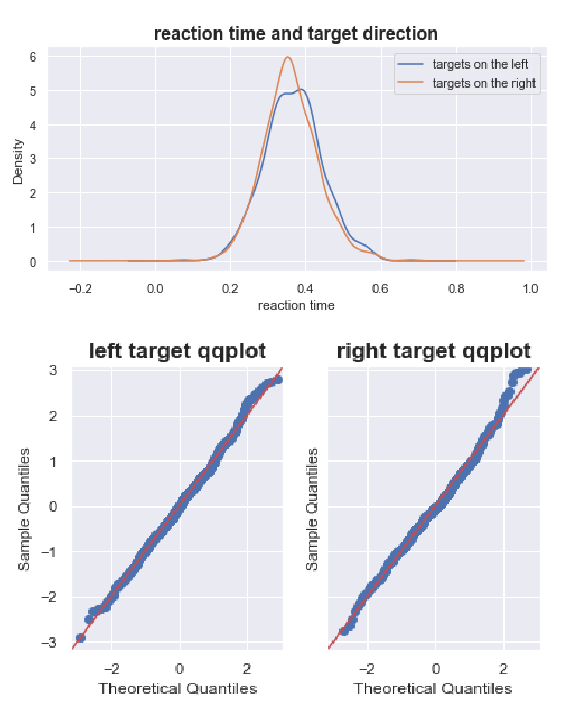
Every data driven project needs a way to process the data to get meaningful insights. Throughout my bachelor I learnt several methods to do so. For example in data analytics for engineers I learnt how to use various python libraries to interpret and visualise data. This was furter expanded upon with "making sense of sensors." This was a bit more in depth, as the data gathering process was also included. This meant careful identification of for example bottlenecks, outliers and significance of the results, but also adhering to FAIR principles and being aware of the ethical rammifications of collecting certain data.
USE track
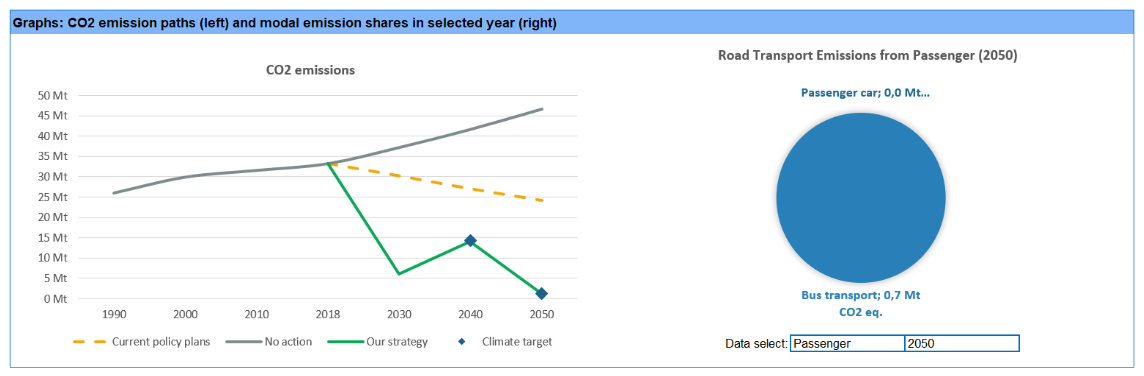
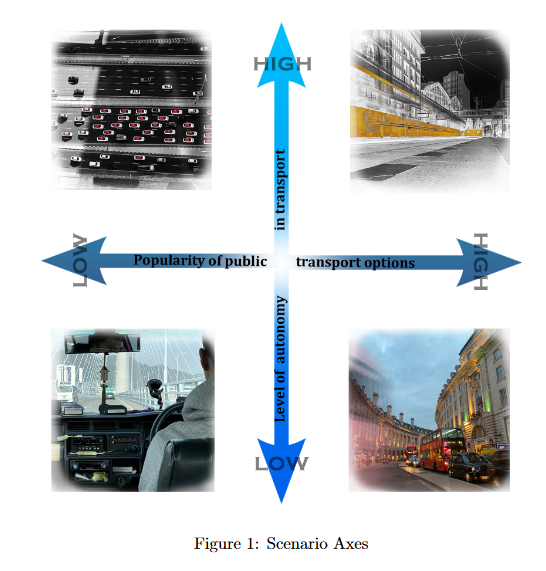
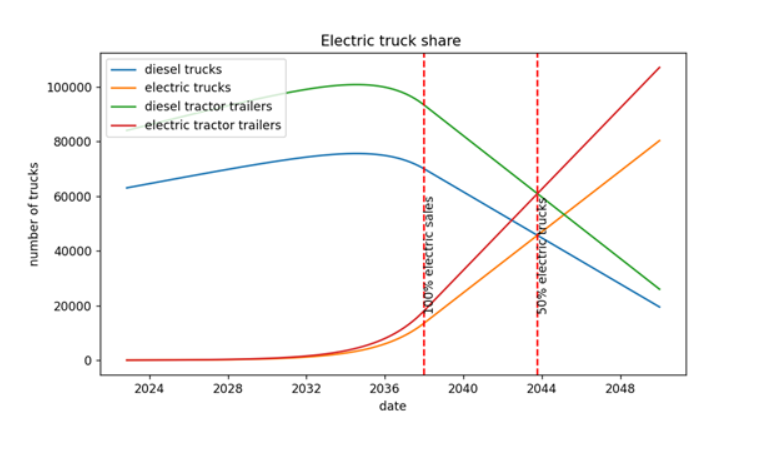
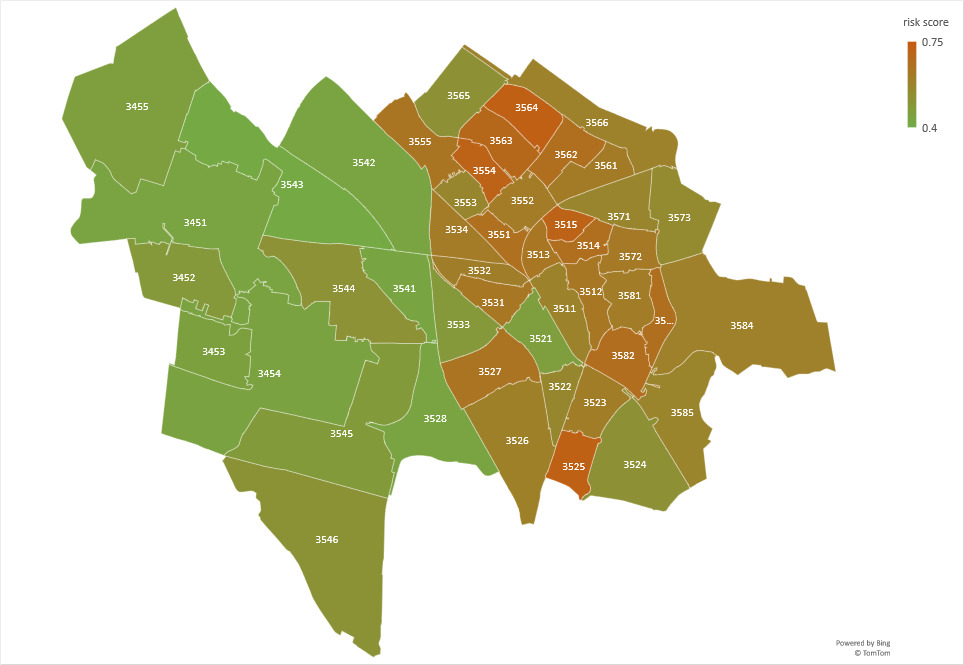
The USE line I have chosen (the future of mobility) concerned itself mainly with forcasting development in transportation technologies. This meant analysing transportation data over time to find mobility patterns, using tools like xcell and IBM SPSS. The value of this kind of analysis is finding possible scenarios to create strategies to steer development of technologies and infrastructure in a desired direction. This makes it a valuable method to gather information for user and society based design as well.
intelligent interactive products & Technologies for Connectivity
While these projects could probably also be considered a good contribution to the technology and realisation area for their use of up-and-coming technologies, my main learning points during these courses were connected to understanding how machine learning works, which is essentially a computationally complex way to interpret data in a certain useful way. Especially in today's world with the rise of AI, I find it important to explore for myself what this erea has to offer me, and to understand on a deeper level how these things work.
technology and realisation
I believe it is fair to say this is the expertise area I have developed most during my time here at the university, which makes sense considering my bachelor at Mechanical Engineering. I gained an intuiton and and mechanical design toolset through courses such as mechanical design principles, solid mechanics, and structure and properties of materials.
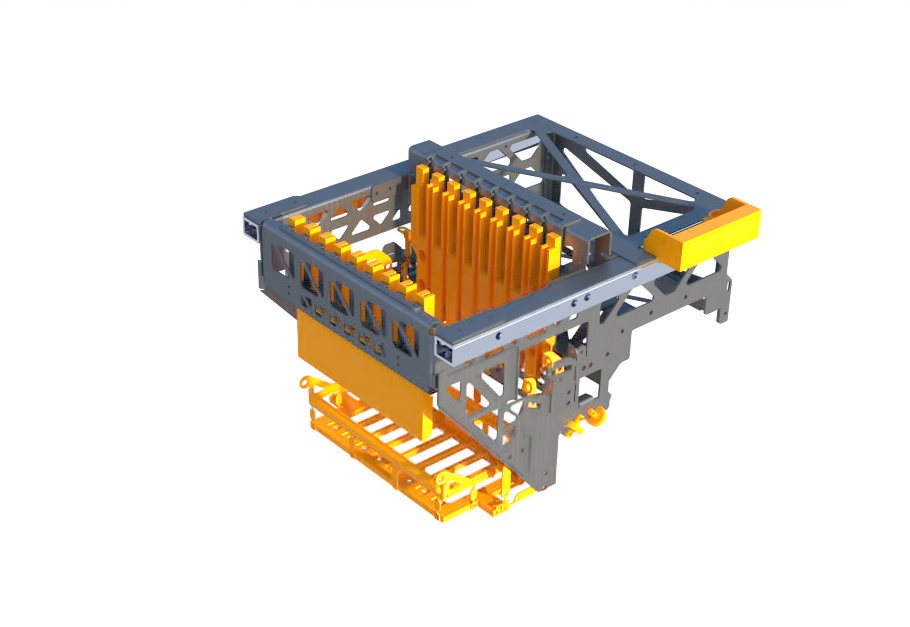
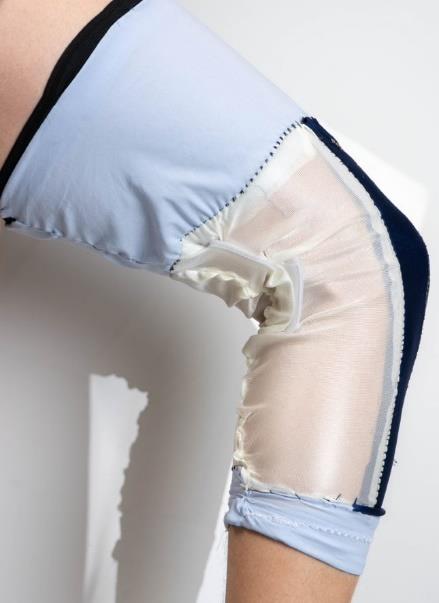
In addition I learned the mathematics and physics behind control engineering, as well as the programming skills to apply them to real life machines. These skills translated well into other projects where
During my industrial design bachelor
User and Society
The main course that set up the basis of my knowledge of implementing user research in my projects was User-centered design. Here I learned methods to gather knowledge about your stakeholders to create value for people and society.
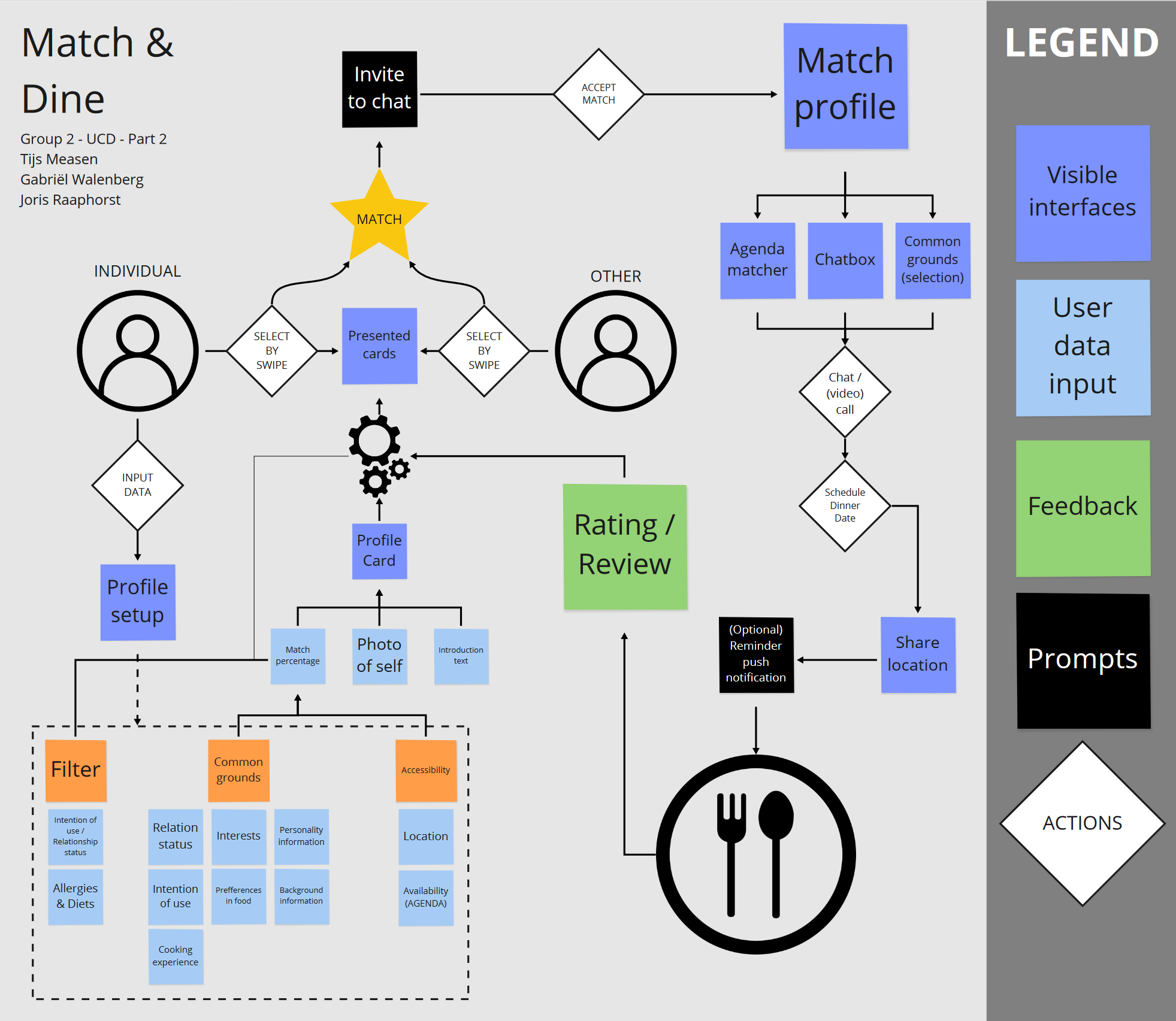
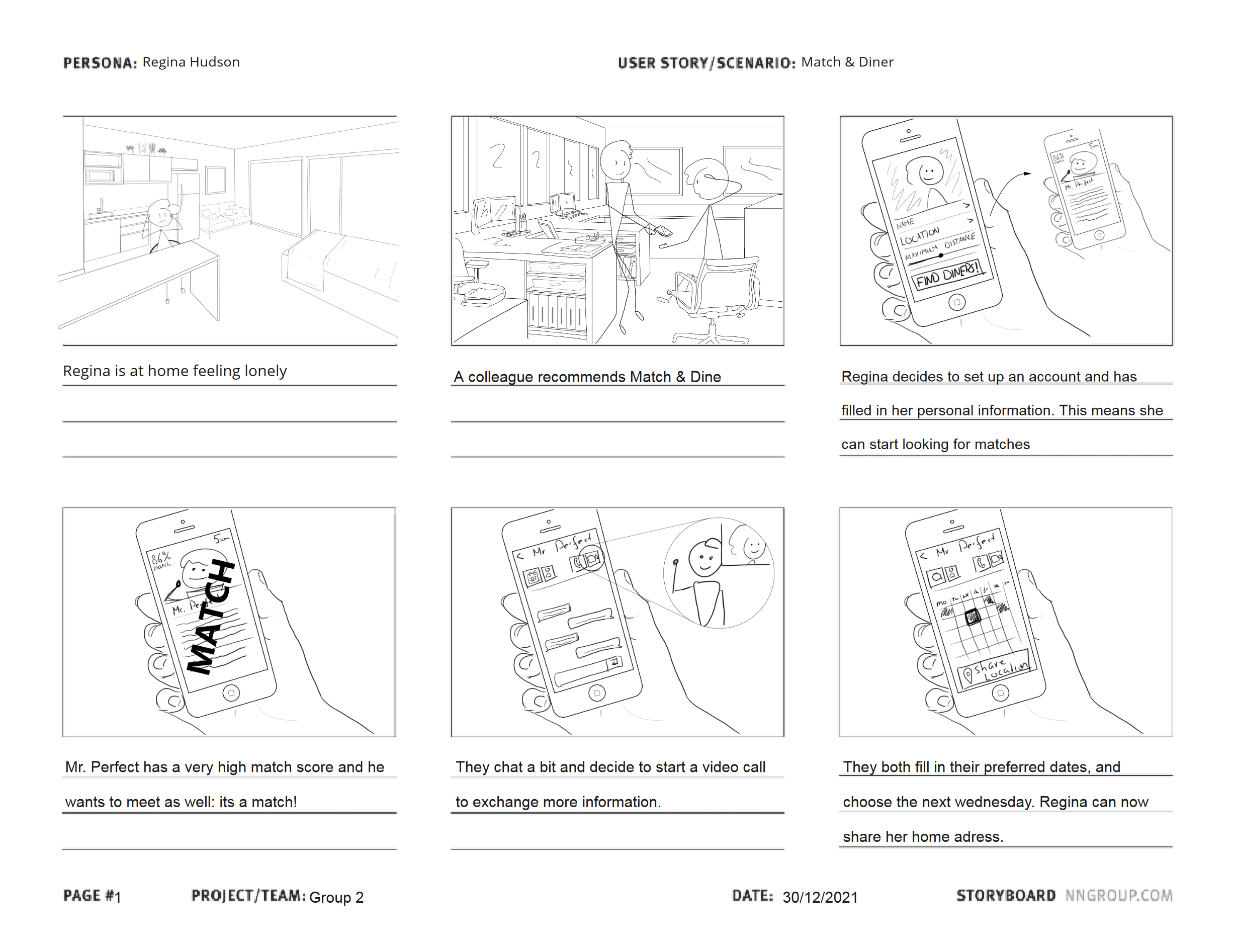
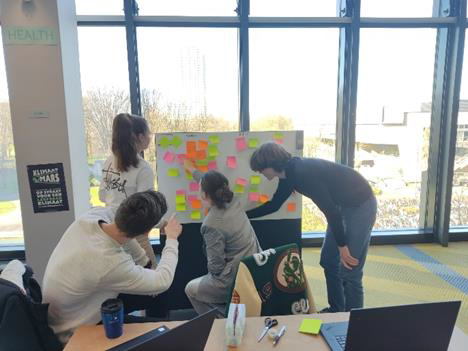
Project 2, chatbot personalisation
While I had already made chatbots before, they were purely focussed on getting the right message across. This project instead focussed on finding the right ways to communicate with people to get the response that you are looking for. It also introduced me to the GROW method of asking questions and finding intrinsic motivation for any goals you set.
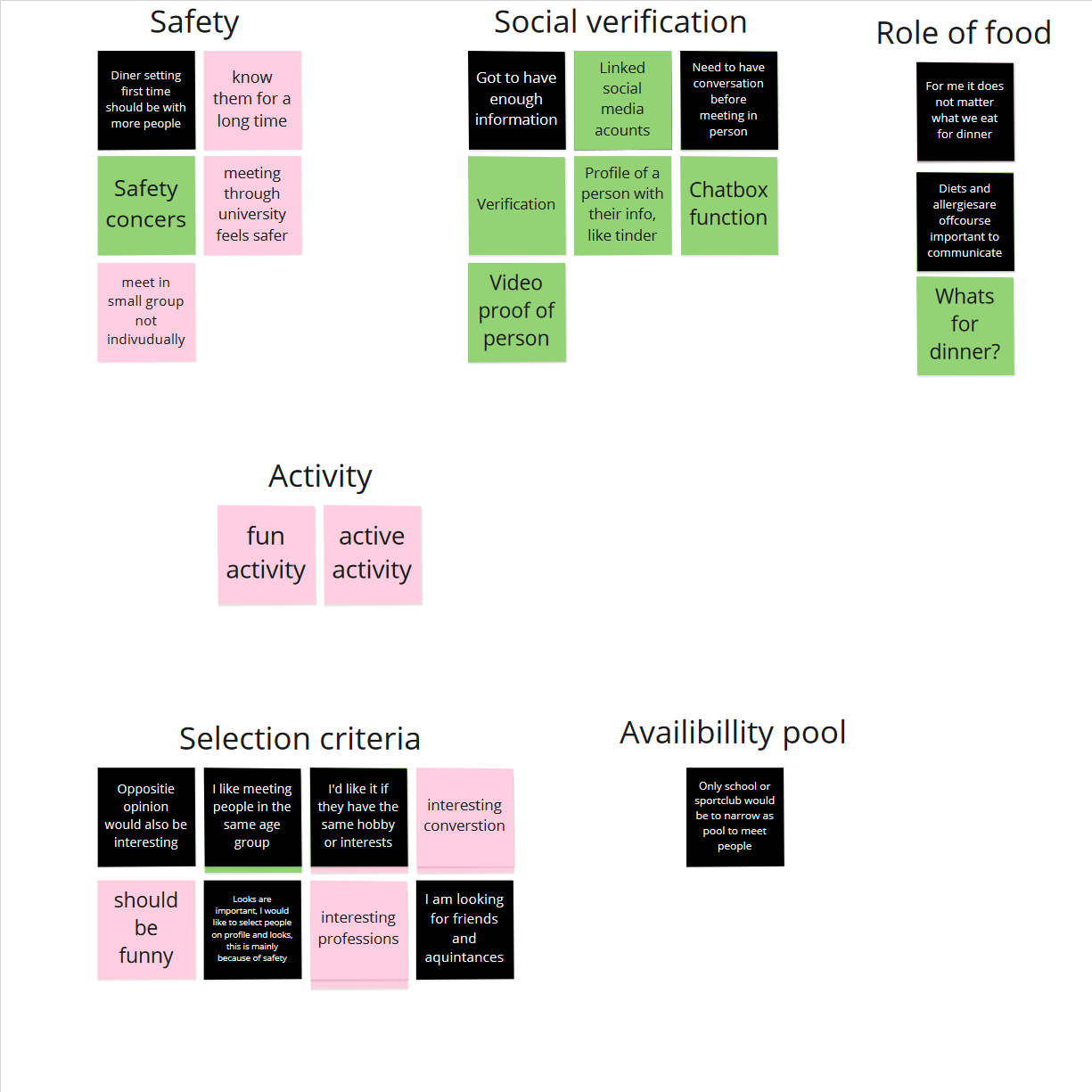
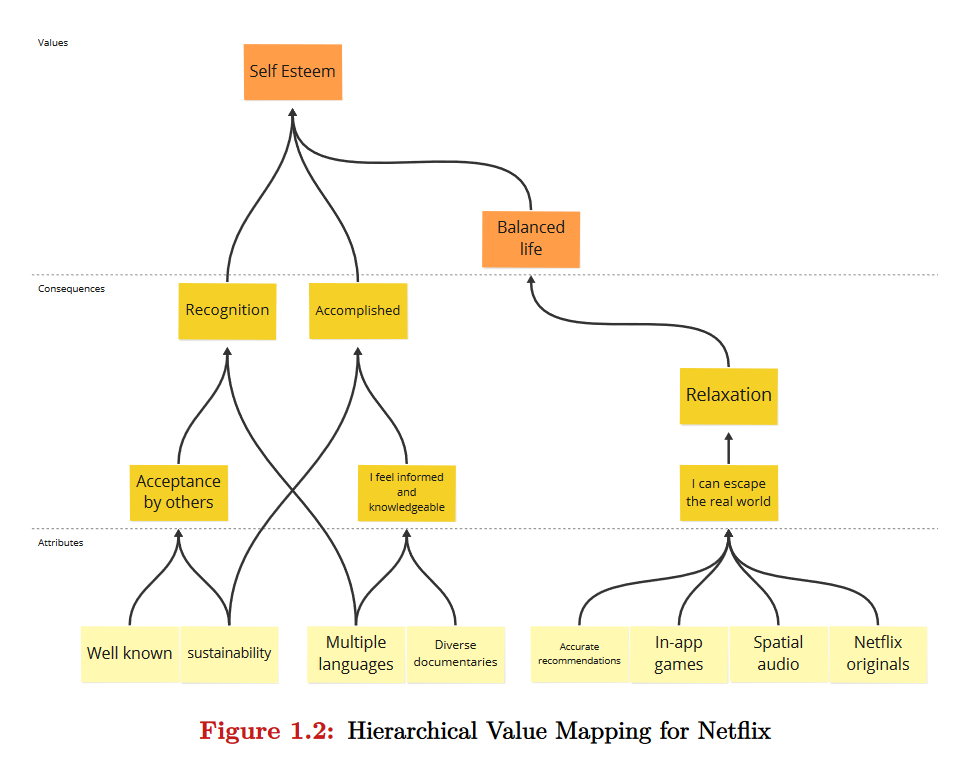
Moreover, it was an opportunity to put some of the techniques I learned previously into practice, such as affinity diagrams, value mapping and A/B testing, which were used to find a design that was best suitable for the people that we were designing for, as well as one that was most appealing.